
Carbon credit monitoring reports: how to read the evidence
A reading record for connecting measurements, verification reports and batch quantities without confusing claimed outcomes and available units.
At a glance
Identify the monitoring report’s project, period and version, compare them with the verification conclusion and reconcile quantities with the issued batch. The proponent’s reported outcome does not by itself establish issuance or unit availability.
Author: Carbonetica Registry. Prepared on
To read a carbon credit monitoring report, connect it to the project, measured period and applicable methodology version. Then find the verification that examines those outcomes and the record of units actually issued. A total reported by the project proponent is not, by itself, a quantity of credits available to buy.
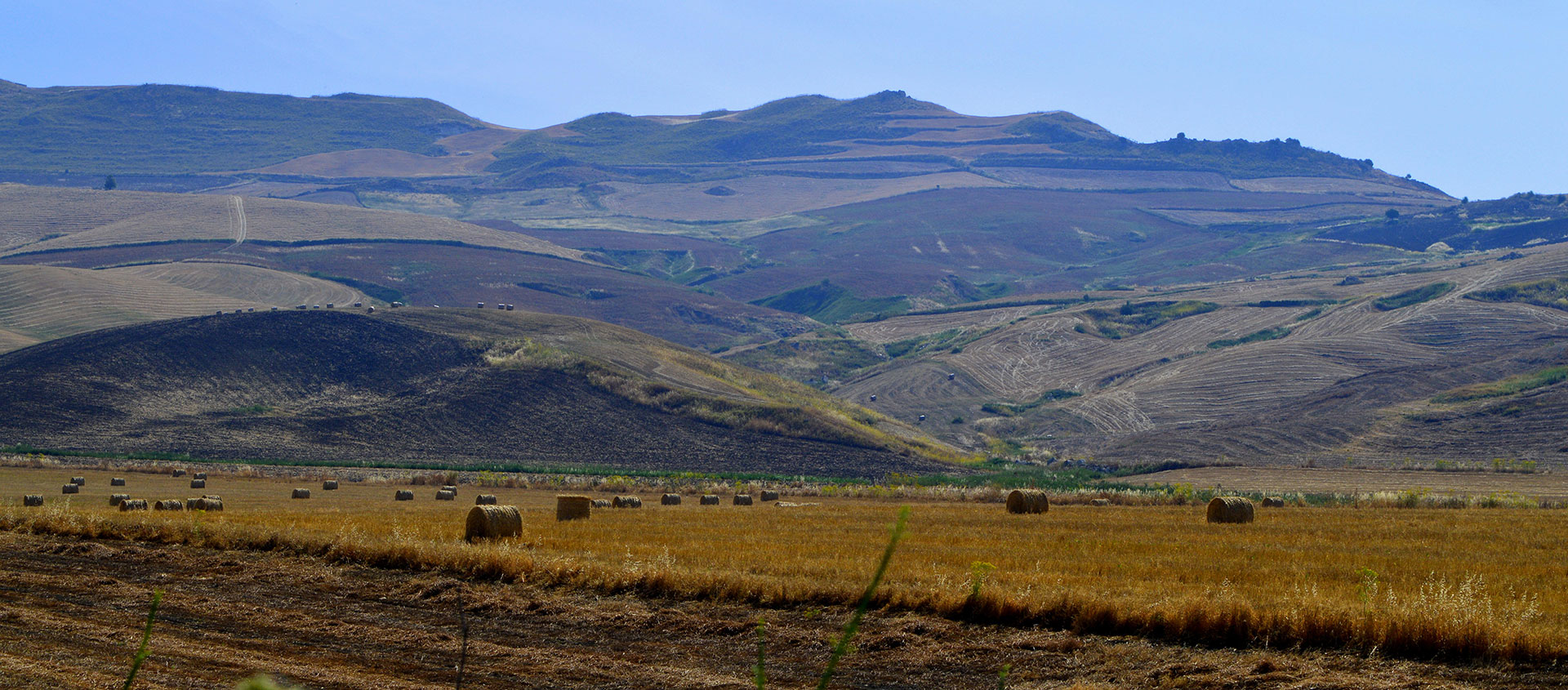
The Carbonetica archive photograph provides agricultural context. It is not evidence of measurements or checks performed in the landscape shown.
Three documents answering different questions
- Project description and monitoring plan
- Explain the activity, boundary, method and parameters to observe. Forecasts are not outcomes already achieved.
- Monitoring report
- Describes implementation and period data, with the proponent’s calculation of the claimed outcomes.
- Verification report
- Sets out the verifier’s work and conclusion on the examined outcomes, including its scope and document references.
Verra’s project documentation guide distinguishes these stages. This illustrates the VCS programme; it does not imply VCS certification of a Carbonetica project. For the broader process, see our guide from project to registry.
Build a reading record
- Identity. Record the programme, project code, activity, location and responsible entity. Similar marketing names do not establish that two documents concern the same project.
- Period. Write down when measurements start and end. If a report covers several years, ask how the outcome is allocated to the units’ vintages.
- Version. Retain the report date and version, methodology and calculation tools. Check that the verification report refers to that specific version.
- Data. Identify measured parameters, sampling, estimates and missing observations. Look for explanations of substitutions and quality controls; a table alone does not establish accuracy.
- Quantity. Separate reported outcomes, the quantity covered by the verification conclusion and registry issuance. Record deductions under the programme’s applicable categories.
- Conclusion. Retain the verification opinion and any conditions. If a clarification affects the quantity or period, request the final version and the record explaining its resolution.
For each step, add a page or section reference and any unanswered question. This makes the enquiry traceable; it does not turn the buyer’s reading into an independent technical verification.
Reconcile outcomes with issued units
Start with the final report for the relevant period and follow its references to the batch. Ask for a reconciliation explaining the route from project outcome to issued units. Adjustments, deductions and contributions to reserves need a documented basis. Do not subtract a deduction twice if it is already included in the total, or apply percentages taken from another programme.
Issued quantity is also distinct from current availability. Transfers, retirements or other restrictions may have changed the position. Our guide to serial numbers and batches helps trace unit identity; the task here is to connect data, verification and quantities.
The Gold Standard certification process guide distinguishes verification from the subsequent review of documentation. That programme’s rules are not Carbonetica requirements. The distinction explains why possessing a report does not, on its own, establish issuance.
Is the newest version always the right one?
Not necessarily. The relevant version depends on the project and request, including any transition provisions. In its notice of 9 June 2026, Verra distinguishes VCS 5 templates and their applicable dates. Finding an older template in search, or choosing the file with the highest version number, is insufficient.
Ask the proponent to identify the requirement supporting the version used. If the verification report cites another version, request an explanation before attributing its opinion to the document you received.
When to request further evidence
Keep the conclusion open if the project or period differs, the final report is missing, or quantities have not been reconciled. A discrepancy may have a legitimate explanation. Retaining that explanation and its evidence is more useful than accepting or rejecting a credit from a screenshot alone.
Explore Carbonetica’s public project pages. To clarify references, send an enquiry identifying the project, period and documents to connect. Carbonetica Registry is a private voluntary registry. An enquiry does not initiate independent verification, reserve credits or complete a purchase.